CSCW 2026 Workshop

The Capacity to Care: Designing Social Technology for Sustained Engagement With Societal Challenges

Date: October 10th, 2026 Venue: Salon B

Overview

People care about climate change, injustice, and humanitarian crises. The challenge is not apathy but capacity: sustained engagement with large-scale problems is psychologically costly, and social media architecture often amplifies awareness while providing few pathways to meaningful action.

The result is rising distress, overwhelm, and disengagement— particularly among young people who encounter global suffering through platforms designed for attention capture rather than constructive response.

This workshop examines how social technology design shapes the conditions for sustained engagement with societal challenges. Drawing on Tronto’s care ethics framework and research in moral psychology and platform studies, we ask why caring at scale is difficult and how social media can both exacerbate and potentially mitigate this difficulty.

Tronto’s framework shows that good care requires more than awareness: it demands responsibility, competence, and community. Dominant social media architectures stall the caring process at its earliest phase.

We invite researchers and designers to identify platform designs that deplete or support the capacity to care, and to develop design directions for sustainable care: engagement that people can maintain over time without burning out.

> Learn more about Positech: https://positech.github.io/

> Read more about workshop theme: https://arxiv.org/abs/2605.05651

Workshop Schedule

Tentative (to be updated)
Workshop schedule
TimeActivity
09:00–09:40 Welcome & introductions
09:40–09:55 Framing our capacity to care
09:55–10:30
Activity 1: Recognizing our capacity to care

Example discussion questions

  • What does “good care” look like to you? Think of a specific experience: what made it good, and might someone else involved see it differently?
  • Think of a societal issue you encounter on social media. How does encountering it in a recommended feed, an Instagram Reel, or a friend’s Story shape what you notice, feel, and do? Which design features make a difference?
  • Recall a time when you wanted to care but had little left to give. What was competing for your time, attention, or emotional energy?
  • How do you notice that you are nearing your limits? What makes those signals easy to miss or difficult to act on?
  • What helps you recover or sustain your capacity to care? When has another person, community, or boundary made a difference?
10:30–11:00 Coffee break
11:00–12:30
Activity 2: Exploring alternative universes for our capacity to care

Example discussion questions

  • Imagine scenarios from Activity 1, but without some of the technologies or features involved. What connections, pressures, or possibilities for action would disappear? What might take their place?
  • In that alternative universe, how might you learn about the issue, connect with others, and decide whether or how to respond? What would become easier or harder?
  • Now imagine one feature or social norm worked differently. How would that change your capacity to care? What would you gain, and what might you miss about the current version?
12:30–14:30 Lunch
14:30–14:45 Nap & stretch time!
14:45–16:00
Activity 3: Making capacity to care a research question

Example discussion questions

  • Which research fields, communities, and domains already engage with capacity to care, even under other names? What does each lens reveal or leave out?
  • Building on this morning’s ideas about “good care,” how could we support it as researchers? What questions should we ask, and whose perspectives should shape them?
  • What would count as evidence that care has improved, and for whom? How could we study or assess that improvement, including aspects that are difficult to measure and disagreements about what “better” means?
  • What makes this topic difficult to research in your field or practice? Which barriers can we address ourselves, and which require changes across the research community or beyond?
16:00–16:30 Coffee break
16:30–17:15
Activity 4: Designing alternative futures: What to keep, what to change

Example discussion questions

  • Choose a scenario and/or technology discussed today. What would you redesign to support good care, and what already works that you would deliberately preserve?
  • What institutional changes might help make these alternatives possible? What could we do if those changes are slow to happen or do not happen?
  • What practices would you like to adopt in your own life to support your capacity to care while respecting your own and others’ boundaries?
17:15–17:30 Closing

Organizers

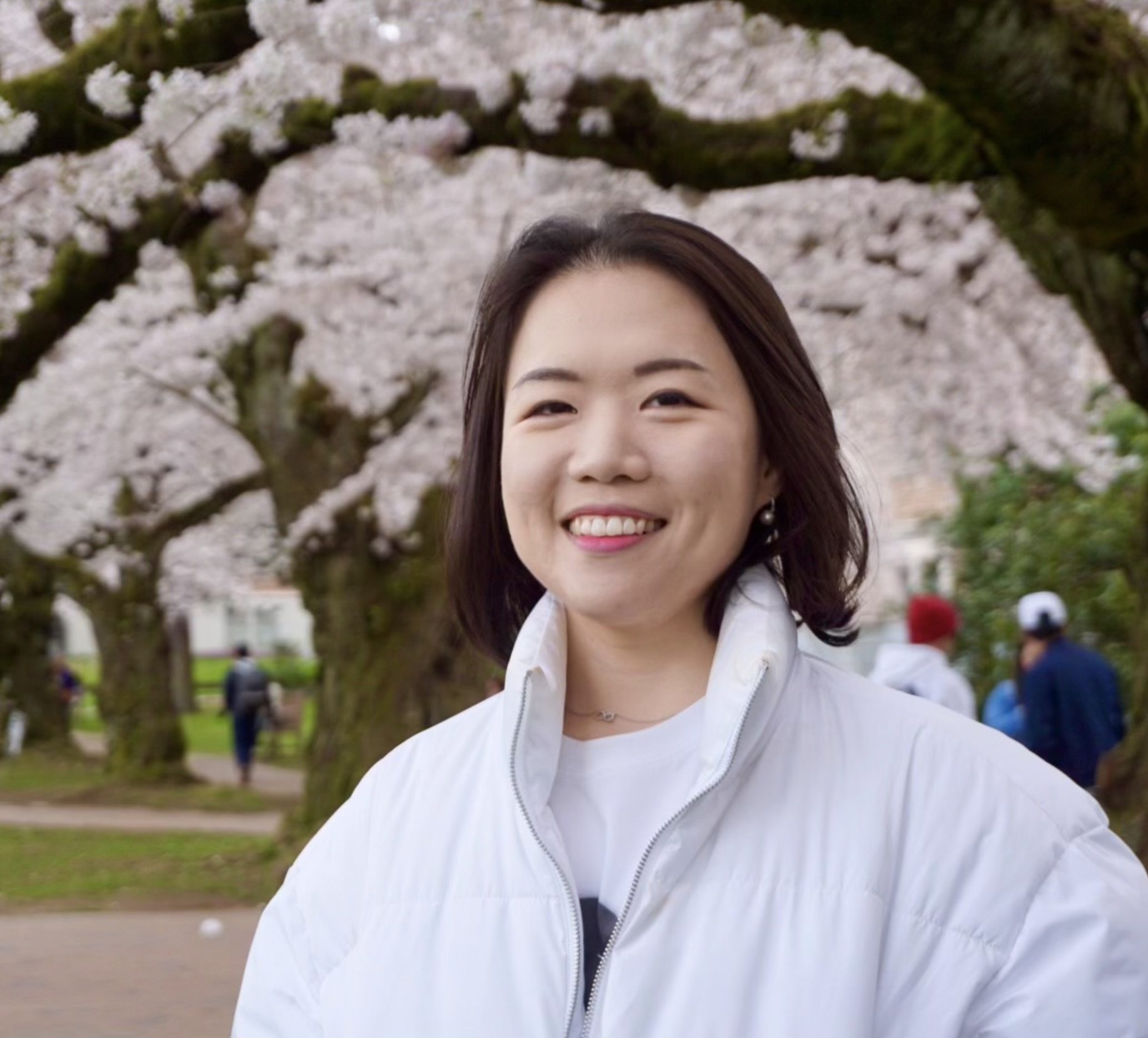
JaeWon Kim
JaeWon Kim*
University of Washington
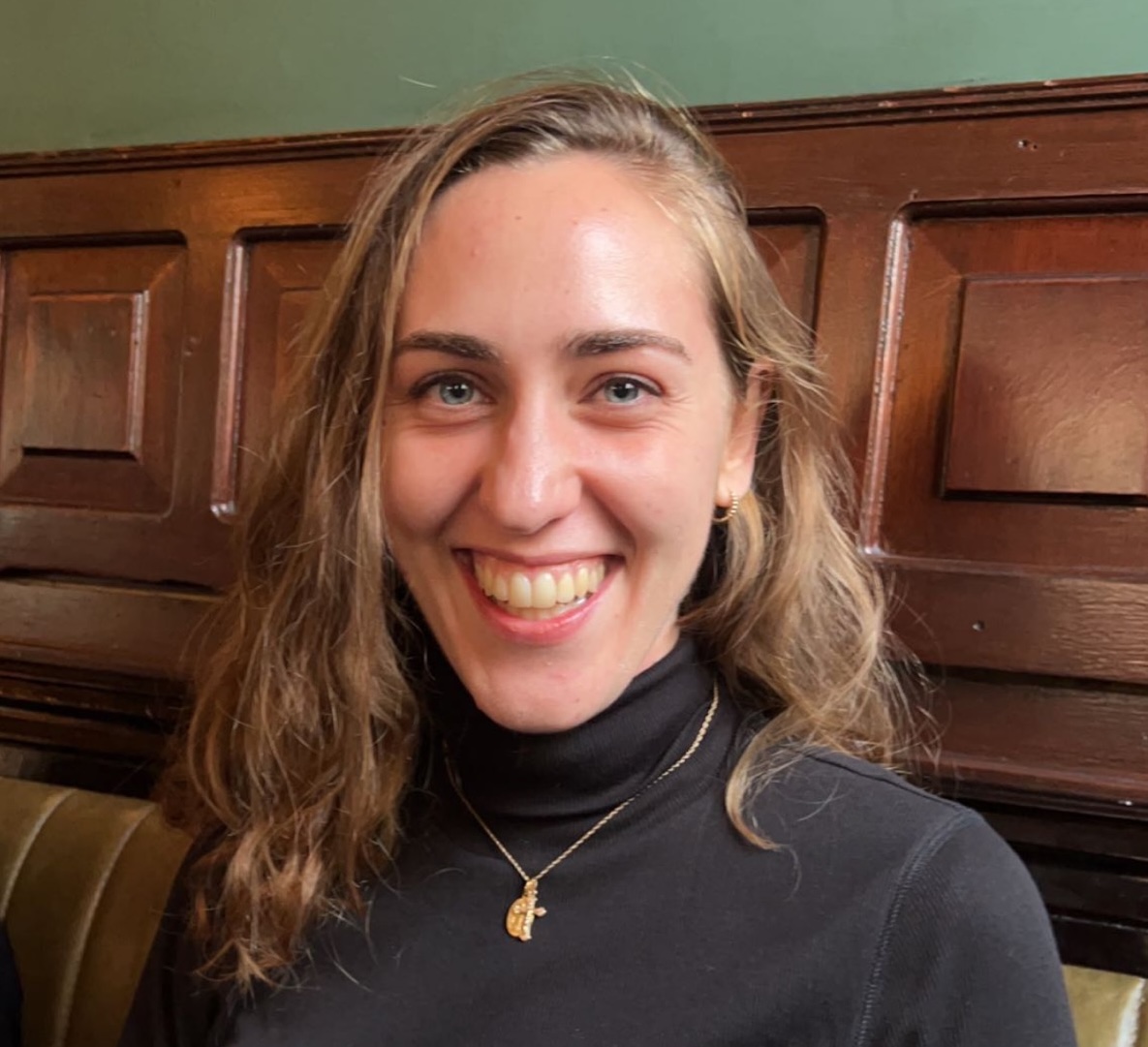
Lindsay Popowski
Lindsay Popowski*
Stanford University
Louisa Conwill
Louisa Conwill*
University of Notre Dame
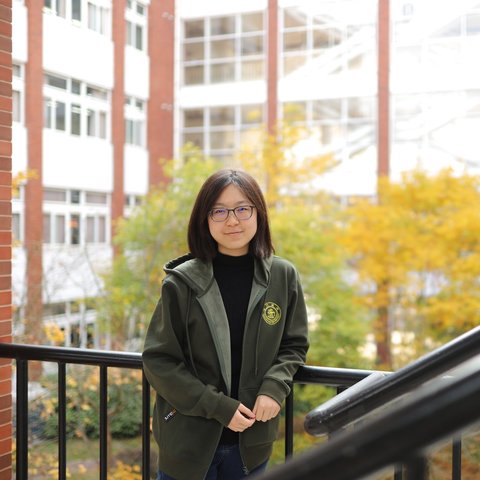
Elizabeth Li
Elizabeth "Lizzie" Li*
Northwestern University
Meryl Ye
Meryl Ye
Carnegie Mellon University
Jiaying Lizzy Liu
Jiaying "Lizzy" Liu
University of Texas at Austin
Jose A. Guridi
Jose A. Guridi
Cornell University
Theia Henderson
Theia Henderson*
MIT CSAIL
Bingxu Han
Bingxu Han*
Stanford University
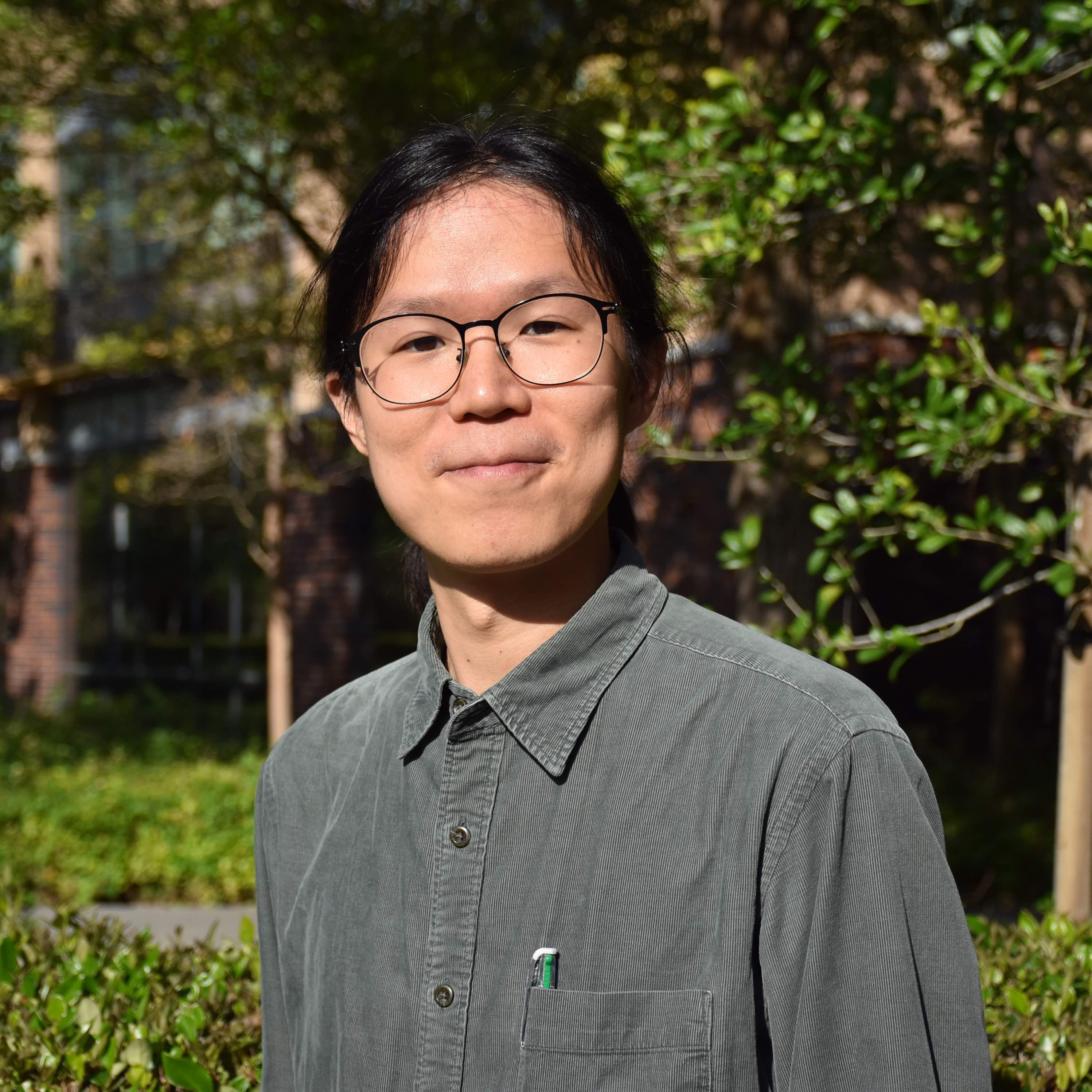
Dennis Wang
Dennis Wang*
National Yang Ming Chiao Tung University
Angel Hsing-Chi Hwang
Angel Hsing-Chi Hwang*
University of Southern California
Susan Wyche
Susan Wyche*
Michigan State University
Yasmine Kotturi
Yasmine Kotturi
University of Maryland, Baltimore County
Gillian Hayes
Gillian Hayes*
University of California, Irvine
Angela D. R. Smith
Angela D. R. Smith*
University of Texas at Austin

* Attending in person.

Call for Participation

Applications are now closed.

We invite researchers, designers, and practitioners interested in social technologies, care, wellbeing, and societal challenges to participate in this workshop.

Participants will engage in collaborative discussions about how social media and platform design shape people's capacity to sustain engagement with difficult societal issues over time.

Submissions can take the following forms:

  • Position papers or drafts (1–3 pages, ACM single-column format, excluding references) discussing themes of the workshop. Alternate forms, such as design fiction, are encouraged.
  • “Encore” submissions of relevant conference or journal papers.
  • Initial research ideas as extended abstracts (1–3 pages, ACM single-column format, excluding references).
  • Free-form submissions showcasing how design can help to sustain engagement with societal challenges, either within research or everyday life. Creative formats are welcome.

Submissions will be lightly reviewed by the workshop organizers.